UPLIFT PILATES AND WELLNESS
  • Home
  • About
  • Services
  • Teachers Uplift Teachers
  • New Clients
  • Blog
  • Contact Us
  • Home
  • About
  • Services
  • Teachers Uplift Teachers
  • New Clients
  • Blog
  • Contact Us
Search by typing & pressing enter

YOUR CART

The Uplift Blog

3/13/2023

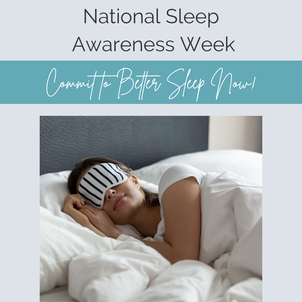
Do you have a “sleep bank” mentality?

Picture
How much sleep do you really need? The World Health Organization recommends 8 hours of sleep per night, consistent with the National Institutes of Health recommendation of 7-9 hours per night. These essential hours help us recover from life's pressures and stresses and promote deep health. For example, sleep is vital for maintaining a healthy weight, reducing stress, and keeping the immune system strong. It helps to heal and repair the heart and blood vessels to lower the risk of heart disease. Sleep improves attention and concentration and assists in converting short-term memories into long-term memories (NHLBI, 2022). No wonder Precision Nutrition calls sleep a “recovery rockstar!”

Have you ever stayed up too late? Cheated yourself of sleep? Perhaps you stay up late to work on projects for work or school or to spend time with friends. You justify the loss of sleep by telling yourself, “That’s okay. I will go to bed early tomorrow night. Or, perhaps, you promise yourself, “I will sleep in this weekend.” Unfortunately, sleep science reveals that we can’t create a sleep debt and then repay it (Walker, 2021).  Every time we shortchange our sleep, we impact our health. When we do this regularly, there are real consequences. 
There are short-term and long-term consequences when you often go into sleep debt. Dr. Matthew Walker, Director of the Center for Human Research Science at the University of California, Berkeley, tells us that short sleep predicts a shorter life. Poor sleep habits increase the risk of insulin resistance, obesity, type 2 diabetes, heart disease, and death from all causes (Hyman, 2023; NHLBI, 2022). Dr. Mark Hyman, the author of Young Forever and senior advisor for the Cleveland Clinic’s Center for Functional Medicine,  explains that lack of sleep drives most of the hallmarks of aging, such as inflammation, mitochondrial damage, and altered hormonal and nutrient-sensing pathways (Hyman, 2023).
Picture
Picture
How will you know that your sleep debt is impacting you? Look for the following tell-tale signs that your sleep habits affect your overall health.
  1. Brain Fog: You may notice diminished alertness, concentration, and perhaps even confusion or forgetfulness. Poor sleep interferes with the movement of short-term memories to long-term memories resulting in the symptoms of “brain fog.”
  2. Weight Struggles: Poor sleep is linked to excess body fat because it can disrupt appetite regulation, causing you to feel hungrier. The resulting increased calorie intake leads to weight gain.
  3. More Frequent Illness: Lack of sleep can cause lowered T-cells and increased inflammation, making one vulnerable to viruses and bacteria. One is more perceptible to acute illnesses (i.e., colds) and at risk for heart disease and other inflammation-related conditions.
  4. Emotion/Mood Changes: Lack of sleep can hinder the production of neurotransmitters and the regulation of hormone production resulting in changes to your mood and emotions. You may notice difficulty regulating emotions, feelings of heightened stress, and low mood. 

Good news! Even though you can’t repay your “sleep debt,” you can start feeling better soon by improving your sleep habits now. Strive for 8 hours of sleep each night to boost mood and energy, stabilize weight, facilitate memory and learning, support a healthy immune system, and more. Refer to last year’s blog post for simple tips to improve your sleep. Invest in your sleep for short-term and long-term benefits.

Improve your sleep, not only for yourself but for those around you. Alert, focused, healthy, happy, and energetic adults are the best brain architects (aka learning facilitators and caregivers).


References and Resources: 
Hyman, M. (2023). Young Forever: The secrets to living your longest, healthiest life. Little Brown Spark: NY
Dr. Mark Hyman. Why Sleep is More Important Than Diet-Optimize it Today! Podcast Episode 487
Walker, M.  ( 2018). Why we sleep: Unlocking the power of sleep and dreams. Scribner: NY
Precision Nutrition. Hacking Sleep www.precisionnutrition.com/hacking-sleep 


3/5/2023

What does self-compassion look like?

Picture
How is your well-being, my friend? Are you kind to yourself? Research suggests that people who are self-compassionate or kind to themselves experience many benefits (Neff, 2009; Allen & Leary, 2010; Zessin, Dickhauser, & Garbade, 2015). They have greater life satisfaction, less anxiety and depression, greater mindfulness, and more compassion for others. Individuals experiencing stress and challenge (i.e., infant and early childhood brain architects, K-12 teachers, and parents) exposed to self-compassion strategies demonstrate higher levels of well-being, such as optimism, positive affect, and personal initiative. When we practice self-compassion, we feel more confident and view ourselves more positively. Be kind to yourself to have increased motivation, improved productivity, better relationships, and better physical health. 

But why is being kind to ourselves so hard? Do you find yourself being self-critical sometimes? That's okay, my friend. It's natural and healthy to experience a wide range of thoughts and feelings, including less pleasant ones like unhappiness, disappointment, or guilt. There are no right and wrong thoughts; some serve one well while others do not.

Are you worried that being kind to yourself is self-indulgent? That is a common concern, but research shows that being too self-compassionate will NOT undermine motivation. Instead, people who practice self-compassion tend to have the greater personal initiative to make needed changes and are likelier to take on new challenges (Zessin, Dickhauser, & Garbade, 2015).

Are you convinced yet?! Let’s go for it! Treating oneself kindly can look like taking time and space to give oneself a break emotionally. Or, it can look like mental acts of self-kindness, such as engaging in self-talk that is positive, encouraging, and forgiving (Allen & Leary, 2010). Learning to turn negative thinking into positive thinking takes time and practice as one creates a new habit. One positive self-talk exercise you can do to help increase your self-compassion is the practice of reframing your inner conversation or “quieting your inner critic.” This exercise should be repeated over several weeks to eventually form the blueprint for changing how one may relate to oneself long-term.
  1. First, notice when you are being self-critical. Become aware of your inner dialogues. Begin to notice when you say or think things to yourself, such as “I can’t,” “I don’t know,” “This is too hard for me,” or “I’m not good at it.”
  2. Second, pay attention to both your inner speech and tone. Note the language or phrases you use when talking with yourself, but also be aware of the tone. Do you sound kind and loving? Or do you sound judgmental? Harsh? Or, like a snappy, irritable teen?
  3. Third, soften your critical voice from judgment to compassion. Now that you have identified the message and tone,  ease or change it to one of kindness.
Always remember to stand in a friend’s shoes. Relate to yourself as you would relate to a friend. Steps 1, 2, and 3 are more accessible and productive when we do this. If a friend said to us, "This is so hard, I just can't get it." We would never say, "You are right, Sally; it’s too hard for you. You’ll never get it." Instead, we would encourage our friend Sally by saying something like, "Sure you can, Sally. With some more practice, you will get it!" Be kind to yourself, and talk to yourself like you would to a friend.

Learning to turn negative thinking into positive thinking takes time and practice; you are creating a new habit. One way to set yourself on a positive path is to practice "outside" of the moment. Then, the next time you have a negative thought, you will have a positive thought prepared and ready as a substitution. Following are some common self-critical phrases and sample positive statements or reframes. These include ideas shared by educators who have participated in our various professional developments and presentations. Use these as examples to support you in quieting your inner critic.  Try brainstorming additional positive phrases, and/or reach out to us for even more examples.  Try substituting these scripts to replace your negative or self-critical talk.

Sample Reframing for Positive Thinking Ideas
Negative Self Talk
Positive Reframing Statements
​It’s too complicated for me.
I will break this up into smaller steps.
​I’m not going to get any better at this.
I will keep practicing.
I don’t have the resources.
​I can get creative to solve this problem.
I’m too tired to get this done.
I need to recharge before accomplishing this task.
​It’s too big of a change for me.
​Let’s take a chance!
Use your friends! Brainstorm with a friend or colleague for additional practice. Create positive statements to replace the following: I don't know how. I'm too old, or I'm too young, and I'm not ready. Do you have any other examples of negative self-talk you want to create a reframe or positive script for? Lean on your friend to help you be kind to yourself. Practice self-compassion as one way to nurture your well-being. You just may feel more optimistic, motivated, and positive. Perhaps you will have improved productivity, better relationships, and improved physical health. Most importantly, by being self-compassionate, you will have a new friend, YOU!

Reach out for more ideas!  Share your email and subscribe below to get  20+ Reframing for Positive Thinking Ideas FREE. ​ We will email you if we update the resource or develop other great tips about self-compassion. 

    Get  20+ Reframing for Positive Thinking Ideas FREE.

Subscribe

1/1/2023

Light Up Your Brain!

Picture
​Light Up Your Brain!
Get your new year off to a good start. Go for a walk and share some well wishes.

Offer a secret or undercover "well-wish" to those that you pass by. This is a simple phrase of loving-kindness in your head, such as “May you have a peaceful day.”  Or, how about “Have a healthy and happy day/New Year!” Move onto the next person you see and repeat.  Can you share five well-wishes each day? Allow yourself to enjoy the practice of sharing stealth kindness, or dropping “kindness bombs," on the other people you see. You are sure to find your mood lifting as you offer your stealth well-wishes. You can also try this at the grocery store or at work, walking down the hallway.  

Did you know that kindness creates positive changes in the brain? It boosts the chemicals serotonin and dopamine.  And, endorphins can be released. These neurotransmitters in the brain give you feelings of satisfaction and well-being. They cause the pleasure/reward center of your brain to light up.  Regularly performing kindness behaviors improves mood and can enhance thinking skills such as creativity and flexibility. Research has shown that “agents” or givers of kindness demonstrate increases in self-esteem, empathy, and compassion. They also become more resilient, both psychologically and physically. Important physiological impacts include decreased blood pressure and decreased cortisol (i.e. Post, 2005; Mayo Clinic 2020). 

And, kindness is a two-for!! It has benefits both the giver and the receiver. So light up your brain while wishing someone else well. Let’s get our new year off to a great start!
​
Happy New Year to you…. We wish you a healthy and bright brain in 2023!

11/17/2022

Get Your Happy On!

Research shows the happiest people in our society are young children and the elderly.

Dr. Amit Sood at the Mayo Clinic works in the field of positive psychology. His research shows that up to 50% of our happiness depends on our conscious choices that, with time, become enduring habits. Most material gains, on the other hand, provide happiness only for a short time because of our tendency to quickly discount the good and rearrange our expectations. The afterglow of " happiness" from purchasing a shiny new car or  those cool new shoes is fleeting. We end up looking for another happiness fix.

Dr. Sood's research also found that the happiest people in our society are the young children and the elderly. Children's happiness centers on feeling loved, having pleasant immersive experiences, and not spending time overthinking--aka getting caught up in negative ruminations.  Think about a familiar two or three-year old you know... It's all about the process and not the product. The joy is in the doing! Just like the kiddo pictured here. Young children are immersed in the experience without wondering how it will turn out or what others will think about their "work." 

At the other end of the age continuum, elderly gain wisdom as they age. A mature perspective generally includes lower expectations and concern about other peoples'  judgements, as well as a focus on savoring experiences and relationships.  They recapture a sense of that younger child who immersed themselves in the experience --though maybe without making such a mess..

So, choose happiness today. Make it an enduring habit. Reconnect with your inner toddler. Find something you enjoy doing and really do it! Be present. Enjoy the "process" without worrying how it will turn out or what others with say or think.  Have more immersive and joyful experiences.  What will that be for you?  Joyful movement? Time with a loved one?  An artistic endeavor (even finger painting?) Go get your happy on!

​

7/6/2022

5 Ways Pilates Keeps You Younger Longer

Picture
  1. The lure of looking and feeling young for as long as humanly possible is a bit of an obsession in many modern cultures. Beauty products that promise to erase wrinkles, laser treatments that remove signs of sun damage, and full-on invasive surgical procedures that rewind the hands of time are just a few examples of how infatuated we are in avoiding aging. A multitude of industries capitalize on this preoccupation with the fountain of youth and generate revenues in the multi-billion dollars. In fact, researchers predict that the global market for anti-aging products will reach a staggering $47.8 billion dollars by 2027. 
And hey, this is a judgment-free zone. Whatever you want to do to promote your health and wellbeing is entirely your business! But, if you REALLY want to keep the effects of aging in check and look and feel your absolute best, you may want to look right here  and book yourself into a regular, steady, consistent cadence with a movement practice at Uplift Pilates and Wellness.
Pilates is a potent form of movement that has significantly positive impacts on our bodies, minds, and spirits. Those who regularly practice Pilates report feeling stronger, leaner, taller, more confident, less stressed, and fully energized. It makes people feel GOOD and it also has benefits that are specifically tied to this idea of looking and feeling younger, longer. Here’s how:
 
5 Ways Pilates Keeps You Feeling Younger, Longer
1. Increased Energy and Stamina  As our bodies age, we tend to run out of steam more quickly. We may crash in the late afternoon, be called to our beds for a quick power nap every single day, or just feel sluggish far more frequently than we’d like. Pilates is the ideal antidote.

2. Resilience and Increased Recovery  Have you ever noticed that kids will get a cold one day and seem pretty much completely symptom free within a day or two? Young bodies bounce back really quickly. As we age, we can hold onto that resilience against illness with a regular movement practice. And when we do get sick, a movement practice helps us recover more quickly. 

3. Balance and Posture Improvements  
A measurable and physically noticeable change that can occur in one’s body with a regular Pilates practice is an improvement in the person’s posture. In fact, in separate scientific studies, Pilates was found to improve the postural alignment of participating middle aged women as well as children aged 5-6 years old! We’ve all seen the stereotypical image of an older person hunched over a cane. With Pilates, you can avoid these undesirable changes to your posture as you age. Another risk we all face as we age is a degradation of balance, leading to falls which can cause serious injury. Pilates is very effective at helping a person maintain or even improve their balance and coordination. 

4. Increased Agility and Range of Motion  
One of the first things people notice when their bodies age is that the body is not as flexible or agile as it was in youth. Through intentional, slow, and highly targeted movements, Pilates can help you increase your flexibility and thus, range of motion. 

5. Reduced Pain, Tension, and Stress  
Pain, tension, and stress can be absolutely devastating to our sense of well being and ability to enjoy and participate in our lives fully. Pain, especially if it is chronic in nature, can be especially difficult to treat without pharmaceutical intervention. Pilates is frequently recommended as a therapeutic modality to ease, control, and even prevent pain. The movements that help our bodies heal from pain have similar benefits in terms of easing tension and stress. 

If you are interested in supporting your body at every age, you can do so gracefully with the help of Pilates. We have a special offer exclusively for new clients. Check it out here​  and come look and feel your best at Uplift Pilates and Wellness.

Picture
<<Previous
Forward>>

    Author: Karin H. Spencer, EdD, NCPT

    Thanks for visiting the Uplift Blog! I'm an educator, Pilates enthusiast (NCPT), reflective practitioner and Ironman triathlete. I love helping others discover their joy and confidence as movers. I support others in making lifestyle changes to improve health and well-being. As a life-long educator, I am especially committed to joining together with teachers to uplift each other.

    View my profile on LinkedIn

    Archives

    May 2023
    April 2023
    March 2023
    January 2023
    November 2022
    July 2022
    March 2022
    February 2022

    Categories

    All

    RSS Feed

      TERMS AND CONDITIONS             PRIVACY POLICY            DISCLAIMER
    c 2022 All Rights Reserved Education and Wellness Consulting, LLC